Humility — You don’t have all the answers. Listening more than you talk helps you learn and earn the trust of your team. Many executives make the mistake of assuming that their role is to dictate strategy from the top down. In reality, the best leaders recognize that their team members often have insights that they don’t. Humility allows you to tap into the collective intelligence of your organization, fostering an environment where ideas flow freely. When employees feel heard and valued, they are more engaged and motivated to contribute to the company’s success.
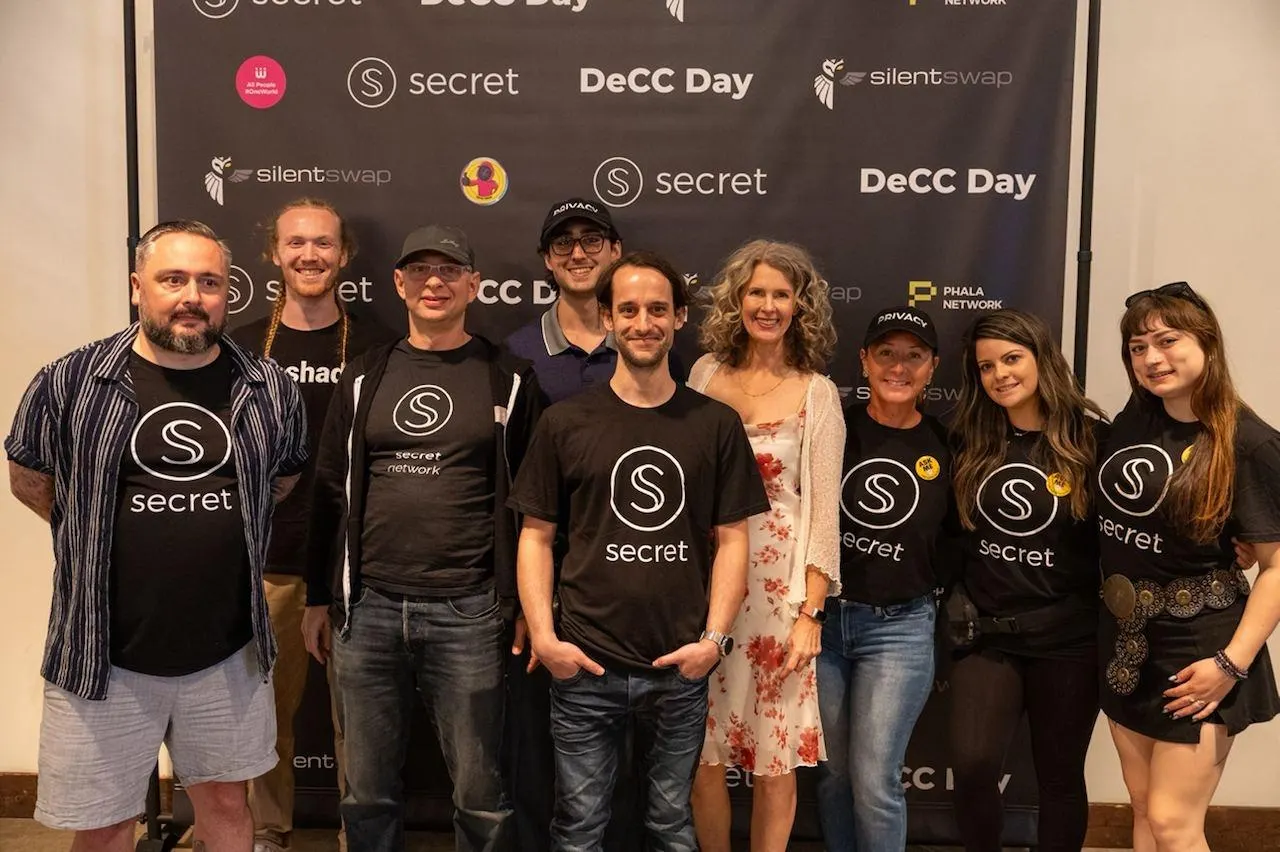
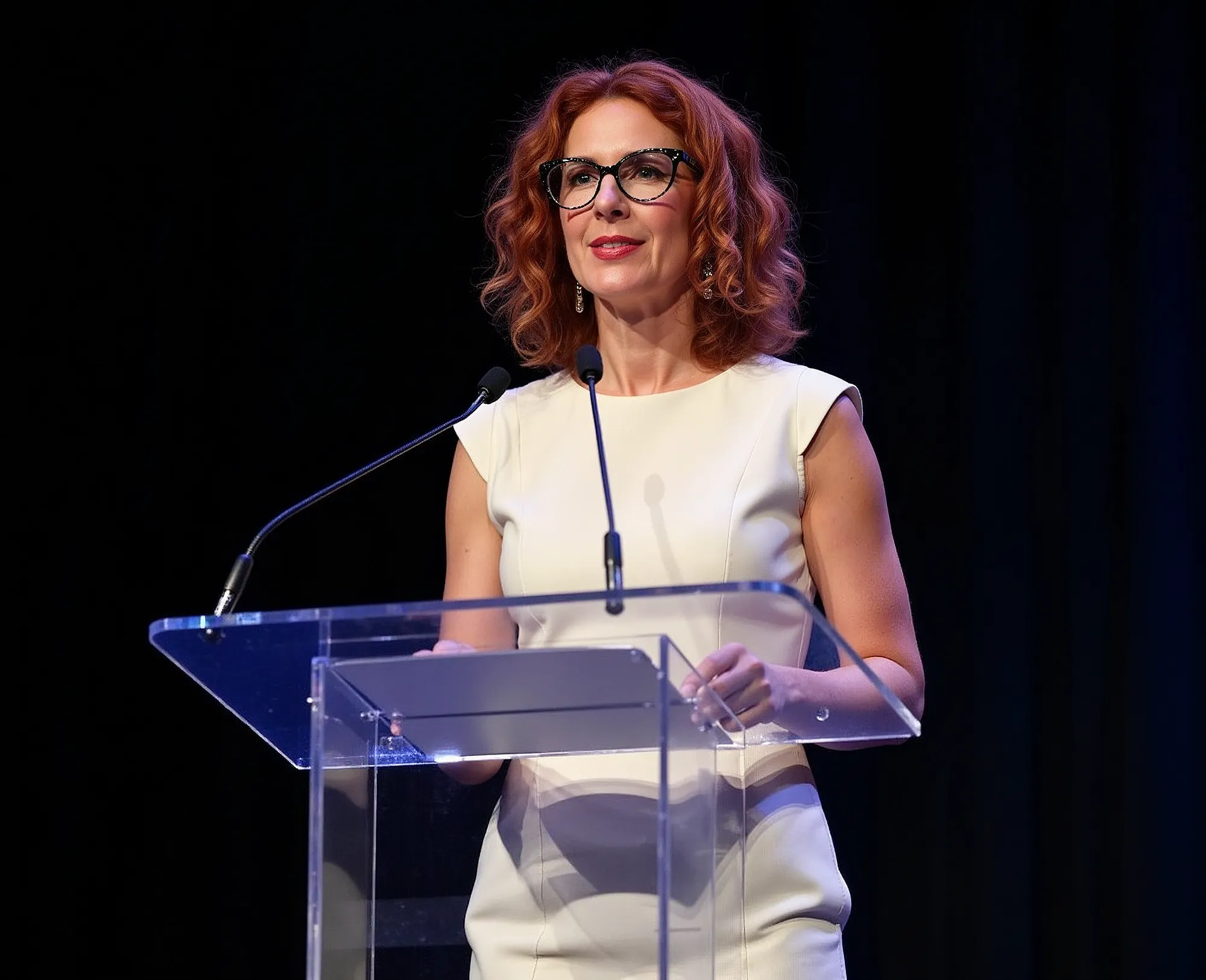
Asa part of our interview series called “Women Of The C-Suite,” we had the pleasure of interviewing Lisa Loud, Executive Director of Secret Network Foundation. Lisa is a seasoned leader in the blockchain and fintech industries, with extensive experience in executive roles at PayPal, ShapeShift, and other major tech companies. As the Executive Director of the Secret Network Foundation, she focuses on advancing blockchain privacy solutions and fostering decentralized technologies.
Thank you so much for joining us in this interview series! Before we dig in, our readers would like to get to know you a bit more. Can you tell us a bit about your “backstory”? What led you to this particular career path?
Ireally had a lot of uncertainty when choosing my career path. At first, I studied business, but I didn’t love it. I switched to biomedical engineering, then forestry, but neither felt right. I finally settled on math and computer science, thinking it would keep my options open. It turned out to be the best decision — I learned how to think critically and solve complex problems. My first job was computer programming and after some years I ended up at PayPal, where I sat near a VP and thought, I could do that job. I realized I didn’t just want to be on the technical side — I wanted to shape strategy. Over time, I moved toward tech leadership, combining my technical foundation with business and leadership skills. Looking back, I could have reached this point faster if I had understood myself better early on, but I don’t regret the winding path.
Can you share the most interesting story that happened to you since you began leading your company?
One of the most interesting experiences was recruiting a board for Secret Network Foundation. Initially, I approached people who fit the “ideal” profile but got ignored or turned down. Then I turned to my personal network — people I truly admired, who all happened to be women. The difference was striking. The women I reached out to immediately said yes, and they’ve been incredibly engaged and proactive. It made me realize that recruiting isn’t just about finding the “right” profiles — it’s about finding people who believe in you and your mission.
It has been said that our mistakes can be our greatest teachers. Can you share a story about the funniest mistake you made when you were first starting? What lesson did you learn from it?
I grew up in a family with no gender bias, so I was completely unprepared for the biases I faced in my first programming job. I was one of only two women in the department, and we were constantly seen as junior, even when we weren’t. My mistake was assuming that my knowledge would speak for itself. It didn’t. I had to learn to establish my credibility upfront in every conversation. Once I started doing that, I was taken much more seriously.
None of us are able to achieve success without some help along the way. Is there a particular person you are grateful to? Can you share a story about that?
I have a business coach who has been with me for years. The advantage of a long-term coach is that I don’t have to explain all the backstory — he knows the key players in my career and can instantly provide insights. His biggest impact has been helping me recognize when people are not being upfront with me. I tend to be very trusting, and without his guidance, I wouldn’t have developed the scepticism I need to anticipate and address potential sabotage. His outside perspective has been invaluable.
Leadership often entails making difficult decisions. Can you share a story about a hard choice you had to make as a leader?
Letting people go is always the hardest part of leadership. Even when someone is dedicated and hardworking, if they’re not the right fit, it holds the company back. When I took on my current role, I inherited a team that wasn’t fully aligned with the company’s future direction. Over two years, I had to make difficult staffing decisions. Now, I have the strongest team I’ve ever worked with, but getting here required tough calls.
What are the biggest challenges faced by women executives that aren’t typically faced by their male counterparts?
Women executives constantly have to prove their credibility. I work with a lot of technical teams, and at least once a month, I have to re-establish that I understand technology — otherwise, people start talking down to me. It’s frustrating because it’s wasted energy. Instead of jumping straight into problem-solving, I have to spend time justifying my expertise. Male executives don’t face this nearly as often.
What is the most striking difference between your actual job and how you thought the job would be?
When I was hired, I was told my main role was to be the face of the company. That turned out to be completely false. This job has been one of the most complex leadership roles I’ve had, involving multiple entities, a decentralized ecosystem, and deeply entrenched dynamics. Navigating all of that has been far more challenging — and rewarding — than I expected.
Is everyone cut out to be an executive? What kind of person should avoid aspiring to be an executive?
Not everyone is built for it. Executives take responsibility for everything that goes wrong while having little direct control over execution. If you love deep, uninterrupted work, being an executive isn’t for you. You have to be comfortable making tough calls and handling constant challenges.
Press enter or click to view image in full size

What are your “5 Things You Need To Succeed As A Senior Executive” and why?
What are your “5 Things You Need To Succeed As A Senior Executive” and why?
Humility — You don’t have all the answers. Listening more than you talk helps you learn and earn the trust of your team. Many executives make the mistake of assuming that their role is to dictate strategy from the top down. In reality, the best leaders recognize that their team members often have insights that they don’t. Humility allows you to tap into the collective intelligence of your organization, fostering an environment where ideas flow freely. When employees feel heard and valued, they are more engaged and motivated to contribute to the company’s success.
Thick Skin — Criticism is constant. No matter what you do, someone will disagree. Learning to take criticism without letting it derail you is key. As an executive, every decision you make will be scrutinized, whether internally by your team or externally by customers, competitors, or the media. The ability to separate constructive feedback from baseless negativity is crucial. A strong leader takes in valuable criticism, learns from it, and moves forward with confidence, rather than getting bogged down by detractors who will never be satisfied.
Broad Skillset — Executives juggle technical, strategic, and operational challenges. You can’t afford to be one-dimensional. In today’s fast-paced business landscape, leaders need to understand a wide range of disciplines, from financial management to marketing, operations, and technology. While you don’t need to be an expert in every area, having a foundational understanding of multiple functions allows you to communicate effectively with different departments and make informed decisions. A CEO who understands the language of engineering, for example, can better align product development with business goals.
Perspective-Shifting — To lead effectively, you need to understand the viewpoints of sales, marketing, engineering, and customers — then synthesize them into a clear strategy. Every department has its own priorities, and as a leader, your job is to balance them while keeping the organization’s overarching goals in mind. For instance, sales might push for new features that help them close deals, while engineering wants to prioritize infrastructure improvements. A great executive can step into each team’s shoes, acknowledge their concerns, and then make the tough decisions that align with the company’s long-term vision.
Buoyancy — The company reflects the leader’s energy. If you stay positive and solution-focused, it sets the tone for the entire organization. The mood of a company often mirrors the attitude of its leadership. If an executive is pessimistic or constantly stressed, that anxiety will trickle down and create a toxic work environment. Resilience and optimism, on the other hand, inspire confidence and creativity within a team. This doesn’t mean ignoring challenges — it means addressing them head-on while maintaining a belief in the organization’s ability to succeed. A buoyant leader helps the company navigate crises with confidence rather than fear.
If you could inspire a movement that would bring the most good to the most people, what would it be?
Confidential AI. AI is incredibly powerful, but without privacy protections, it could lead to mass surveillance and loss of personal freedoms. By developing confidential AI, we can harness AI’s potential while safeguarding personal data.
Is there a person in the world you’d love to have a private breakfast or lunch with?
I’d love to sit down with Linda Yaccarino, the CEO of X (formerly Twitter). She stepped into a chaotic situation under Elon Musk’s leadership and managed to navigate it. I admire her ability to lead under such extreme circumstances and would love to learn how she did it.
Thank you for these fantastic insights. We greatly appreciate your time!